


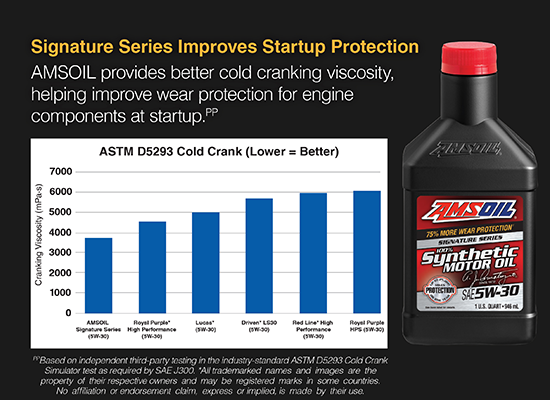
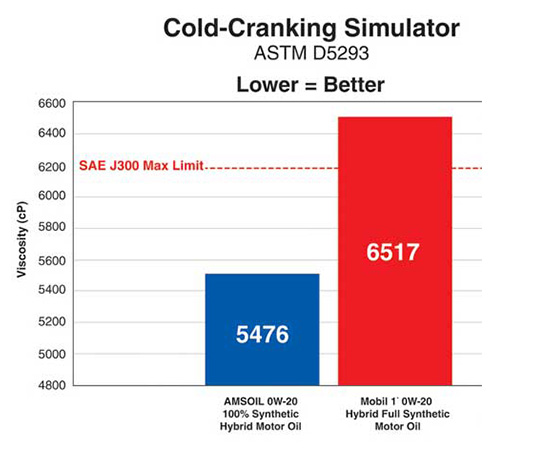
The oil you choose plays a big role in how well your vehicle handles those cold starts. The Society of Automotive Engineers (SAE) sets a defined temperature range in which an oil’s cold-cranking viscosity (CCS) and low-temperature pumpability (MRV) are measured within specification limits. These limits are part of the J300 specification — an SAE standard that categorizes oil viscosity into two main grades: winter and non-winter.
Decoding the “W” and Final Viscosity Rating
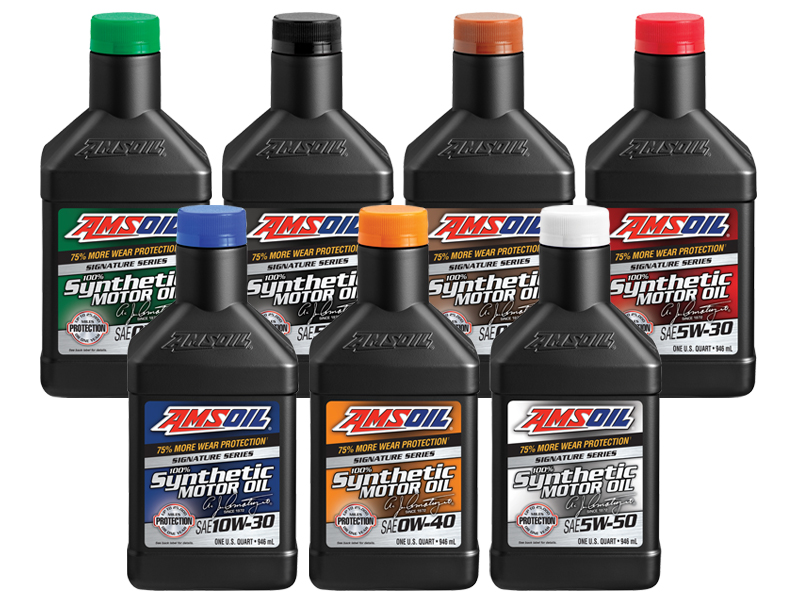
To understand cold-weather performance, we must first look at a defined motor oil viscosity grade, like 10W-30, for its cold-cranking viscosity (CCS). Think of the “W” as standing for “winter.” The W number indicates the oil’s cold-temperature viscosity, or resistance to flow at low temperatures. Because each “W” designation is tied to a different test temperature, 10W oil, regardless of its ending viscosity, is tested at -13°F (–25°C), the lowest ambient temperature in which it will still meet cranking requirements in a cold environment. A 0W oil, on the other hand, has a cold-cranking testing temperature of –31°F (–35°C).
Upon engine startup, the oil pump quickly circulates oil from the sump to protect critical engine components, like crankshaft bearings, camshafts and turbochargers. If the oil is too thick, this process is delayed. It’s in these first few seconds, before full oil pressure is achieved, that critical amounts of engine wear can occur as components grind against each other without adequate lubrication. A lower “W” grade indicates that the oil flows more readily in cold conditions or when the engine hasn’t yet reached its optimal temperature, allowing it to reach key engine components quicker.
The second number indicates the oil’s viscosity at the engine’s normal operating temperature. This value is measured at 212°F (100°C). A lower number, such as 16 or 20, signifies thinner oil, while a higher number, like 40 or 50, represents thicker oil. Each viscosity rating serves a specific purpose, as engine oils are not a one-size-fits-all solution.




Comments
Brad Nelson is a staff writer for AMSOIL. Outside of work he enjoys family adventures, wilderness exploration and riding/wrenching on vintage metric motorcycles.
Share: